Resume: A Playful Font for Bold Creative Projects
Imagine a typeface that doesn't just sit on the page but jumps off it, brimming with personality and energy. That’s the power of a well-chosen display font, and it’s precisely what makes certain creative assets indispensable in a designer's toolkit. When you need to make an immediate, joyful impact, the right font becomes your most expressive collaborator.
Understanding the Role of Expressive Typography
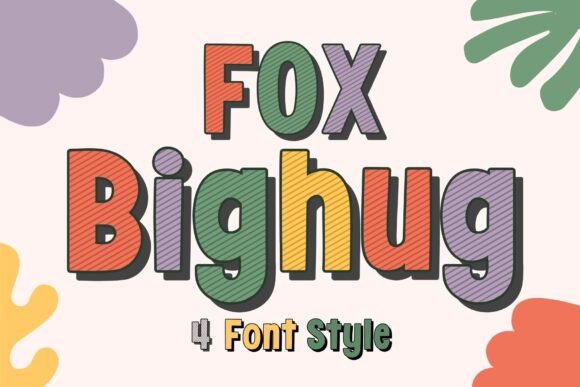
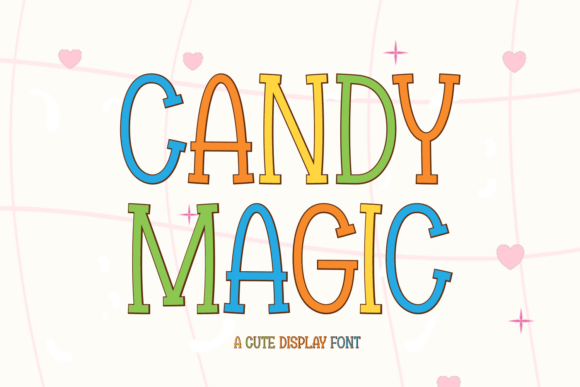
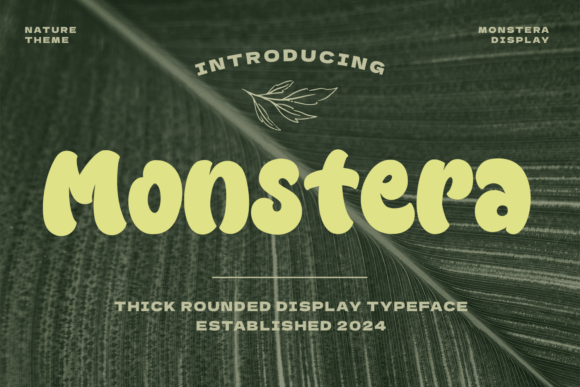
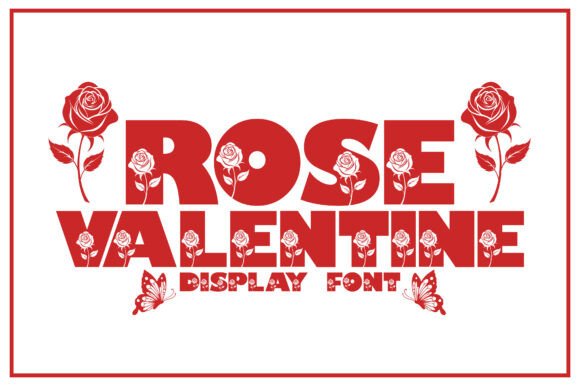
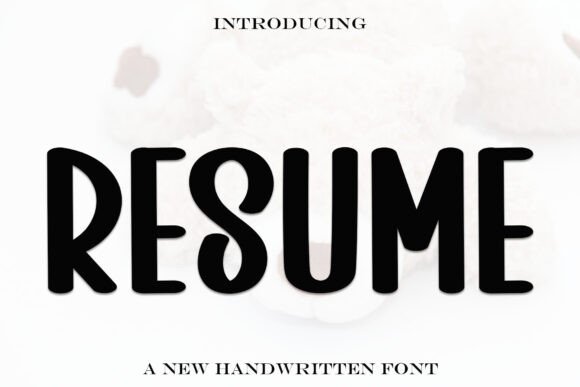
In graphic design, typography is a fundamental pillar of visual communication. While serif and sans-serif fonts handle body text with clarity, display fonts like Resume are engineered for impact. They are the visual equivalent of a bold headline, designed to capture attention, convey a specific mood, and establish a brand's personality at a glance. This typeface, with its bold, rounded letters and friendly aesthetic, exemplifies how a single font choice can inject a project with a distinct and memorable character.
Effective visual hierarchy relies on contrast. Pairing a playful, high-energy font like Resume with a clean, neutral typeface for body text creates a dynamic that guides the viewer's eye and makes information easier to digest. This strategic use of typography strengthens brand identity by creating a consistent and recognizable voice across all touchpoints.
Practical Applications for Maximum Impact
The true value of a creative asset lies in its versatility. A font with a strong personality can be adapted across numerous projects, ensuring brand consistency while keeping designs fresh and engaging.
- Branding and Logo Design: Use it for wordmarks or taglines in logos for children's brands, toy companies, casual eateries, or creative studios. Its friendly vibe builds immediate trust and approachability.
- Marketing Materials: Create eye-catching headlines for flyers, posters, and brochures. It’s particularly effective for event promotions, sales announcements, and any campaign aiming for a fun, energetic feel.
- Social Media Content: Design scroll-stopping graphics for Instagram, TikTok, or Facebook. Its boldness ensures legibility even on small screens, perfect for quotes, announcements, and interactive stories.
- Packaging Design: Make products stand out on the shelf. This font style is ideal for snacks, beverages, cosmetics, or any product targeting a youthful or family-oriented market.
- Digital and Web Design: Apply it to website hero sections, app interfaces, or digital product covers to create a welcoming user experience (UX) and guide user attention effectively.
Integrating Playful Elements into Your Design Workflow
Choosing a distinctive font is just the first step. To integrate it successfully, consider these practical design principles:
- Audience Alignment: Ensure the font's personality matches your target demographic. A playful, rounded font resonates with families and younger audiences but may not suit ultra-corporate or luxury branding.
- Context and Readability: Use it for headlines and short bursts of text, not lengthy paragraphs. Test its legibility at various sizes and on different backgrounds to maintain clarity.
- Complementary Pairing: Balance its bold character with simpler fonts. A geometric sans-serif or a clean serif can provide the necessary contrast for body copy, creating a polished, professional presentation.
- Color and Composition: Amplify its friendly nature with a vibrant color palette. Consider how the font interacts with imagery and white space to build a cohesive and visually appealing layout.
Thoughtful design is about making intentional choices that serve both form and function. Investing in high-quality, expressive creative assets like a versatile display font empowers you to communicate more effectively, build stronger brand connections, and ultimately, create work that resonates and delights. The right tools don't just execute an idea—they elevate it.